The Hidden Power Behind Your Engine: Why the Ignition Coil Matters More Than Ever
- March 23, 2026
- Automakers, BLOG POSTS, Products, Sales, More Categories...
- Posted by Vipula Thrimanne
- Leave your thoughts
In today’s reality of rising fuel prices and increasing vehicle maintenance costs, drivers are paying closer attention to efficiency than ever before. While many focus on fuel quality, engine oil, or filters, one critical component often goes unnoticed—the ignition coil.
Yet, this small component plays a decisive role in how efficiently your engine runs, how much fuel you consume, and how long your engine lasts.
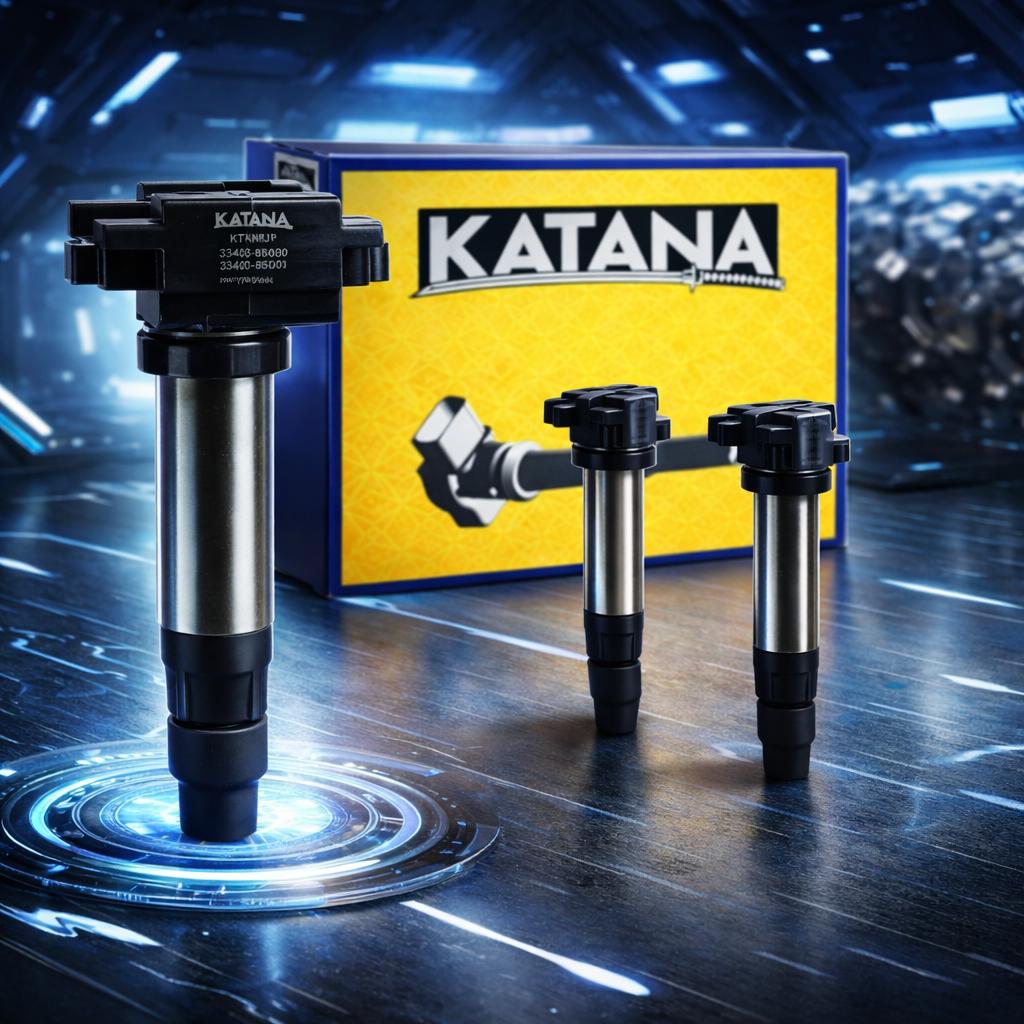

What Does an Ignition Coil Actually Do?
An ignition coil’s job is simple in theory but crucial in practice. It takes the low voltage from your car battery and transforms it into a very high voltage—strong enough to create a spark inside the engine.
That spark is what ignites the air-fuel mixture. No proper spark means no proper combustion.
And no proper combustion means:
- Wasted fuel
- Reduced power
- Increased engine stress
In modern vehicles, ignition coils are precision-built units made up of copper windings, electronic control components, and insulated structures that must work together flawlessly under extreme heat and pressure.
Why It Matters More Today
With fuel prices climbing, every drop matters. A healthy ignition system ensures that fuel burns completely and efficiently.
But when the ignition coil starts to weaken—even slightly—the effects are immediate:
- Fuel consumption increases
- Acceleration becomes sluggish
- Engine performance drops
This is because incomplete combustion forces the engine to use more fuel to produce the same output.
In practical terms, a failing ignition coil quietly increases your running costs every single day.
The Warning Signs You Should Not Ignore
Ignition coil problems rarely appear overnight. They start subtly and worsen over time.
Watch for:
- Difficulty starting the engine
- Rough or unstable idling
- Hesitation during acceleration
- Sudden loss of power
- Check engine light
Many drivers ignore these early signs, assuming they are minor issues. But this is where the real cost begins.
The Real Cost of Delaying Replacement
Driving with a faulty ignition coil does more than just reduce performance. It creates a chain reaction inside the engine:
- Poor combustion leads to engine knocking
- Excess fuel damages internal components
- Heat and stress increase wear and tear
Eventually, what could have been a simple replacement turns into expensive engine repairs.
At a time when spare parts and labor costs are already high, this is a risk most vehicle owners cannot afford.
Not All Ignition Coils Are the Same
The difference between a good ignition coil and a poor one is not visible from the outside—but it is significant in performance.
High-quality ignition coils are built using:
- Precision copper windings for stable voltage output
- Advanced semiconductor control for accurate ignition timing
- Heat-resistant materials to withstand harsh engine conditions
- Strict testing processes to ensure durability
These factors determine how well the coil performs under real driving conditions—especially in hot climates, heavy traffic, and long daily use.
This is why experienced mechanics and parts specialists increasingly recommend ignition coils that are manufactured with consistent material standards and tested production processes—such as those found in brands like Katana, where reliability and durability are clearly prioritized.
A Smarter Approach to Vehicle Maintenance
In today’s economic environment, vehicle maintenance is no longer just about fixing problems—it’s about preventing unnecessary costs.
Replacing or upgrading your ignition coil at the right time can:
- Improve fuel efficiency
- Restore engine performance
- Reduce long-term repair costs
- Extend engine life
Choosing a dependable ignition coil is not an expense—it’s a cost-saving decision.
Final Thought
When people talk about saving fuel or improving performance, they rarely mention the ignition coil. But in reality, it sits at the center of both.
A strong ignition system ensures that every drop of fuel is used effectively. A weak one does the opposite.
And in a time where costs are rising across the board, efficiency is no longer optional—it’s essential.
The difference often comes down to the quality of the components you choose—because with the right ignition coil in place, your engine doesn’t just run… it performs the way it was meant to.
